Fleet managers in Columbia carry a quiet burden. Every van, truck, or car with a cracked windshield adds risk, ruins schedules, and chips away at margins. I have managed urban service fleets and rural delivery pools, and the difference between a reliable glass partner and a mediocre one shows up in driver downtime, claim headaches, and customer complaints. With modern windshields housing sensors for lane-keep, adaptive cruise, and automatic braking, glass work is no longer a simple swap. Choosing the best auto glass shop in Columbia for fleet vehicles is part technical judgment, part logistics, and part relationship.
This guide draws on what matters on the ground: how quickly a shop gets your vehicles back on route, how well they document jobs for insurance, and whether they understand ADAS calibration, bonding chemistry, and OEM procedures. I will use regional examples and practical detail so you can evaluate shops in Columbia with confidence, whether you run 15 vehicles or 500.
What makes fleet glass work different
Retail customers care about price, service, and quality. Fleets care about those, plus things retail customers rarely see. A plumbing company with fifty service vans cannot afford a “maybe Friday” mobile appointment. A last-mile delivery contractor needs coverage at 6 a.m. before dispatch, not mid-afternoon. And a contractor that runs ¾-ton trucks with ladder racks has different edge-stress risks than a rideshare sedan with a camera-heavy windshield.
Three constraints shape the fleet equation in Columbia:
- Time windows are tight. Most fleet repairs must be done before routes start, during lunch downtime, or immediately after return. Same day auto glass in Columbia is not a luxury, it is a lifeline when a driver catches a rock at 8 a.m. on I-26. ADAS is non-negotiable. Windshield calibration in Columbia has to be performed to spec after glass replacement on vehicles with forward cameras. If you skip calibration or do it incorrectly, liability and safety risks soar. Paperwork drives payment. Insurance auto glass repair in Columbia requires clear estimates, VIN-verified part numbers, photos, and calibration certificates. Mistakes here stall reimbursement and burn admin hours.
Shops that build systems for fleets treat glass as one piece of a bigger uptime puzzle. They run early shifts, keep radio-quiet mobile techs who can work curbside without drama, and train coordinators to speak insurance and OEM procedure as fluently as they schedule technicians.
The Columbia context: road types, weather, and glass failures
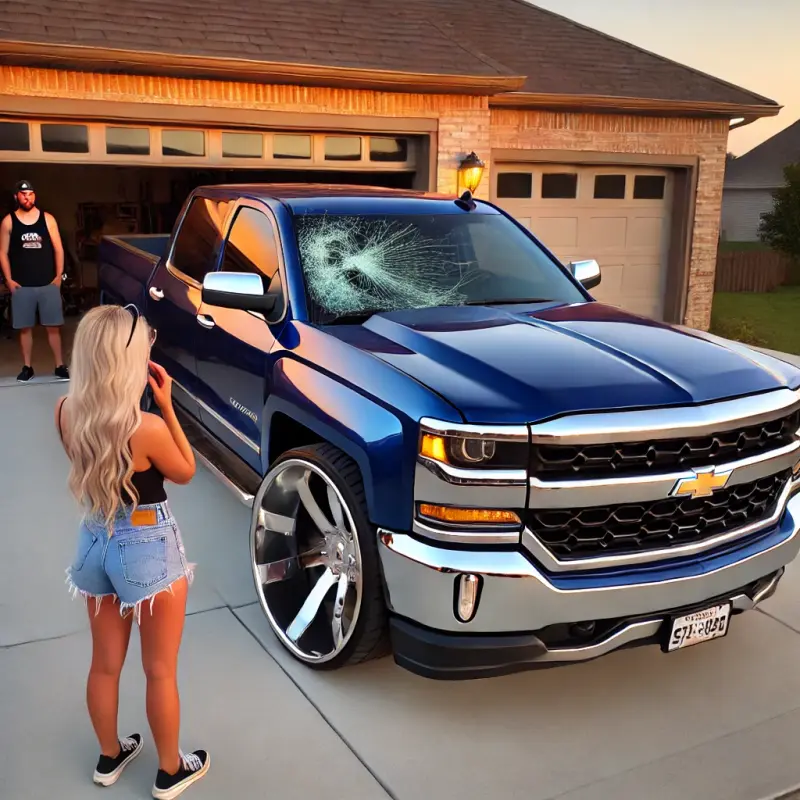
Columbia’s mix of interstate corridors, urban arterials, and construction traffic is hard on glass. I see more chip damage along I-20 and I-26 ramps where trucks shed debris, with a spike during paving seasons when aggregate scatters. Afternoon thunderstorms bring pressure changes and rapid cooling that can turn a star chip into a crack. If your drivers park under oak trees near Five Points or in Shandon, falling branches and acorns add edge chips and scratches.
Typical patterns for fleets here:
- High chip frequency from highway commutes between Columbia, Lexington, and Irmo. Windshield chip repair in Columbia often saves a replacement if handled within 48 hours. Ladder racks and roof equipment increase torsional stress. Cheap adhesives or rushed cure times fail sooner on these vehicles. ADAS windshields are now common across Ford Transits, Ram ProMasters, and newer GM vans. Plan for calibration after most windshield replacement in Columbia.
These conditions magnify differences between shops. A vendor who takes curing times seriously and schedules static or dynamic calibrations correctly will keep your vans safe and compliant.
Repair vs. replace: making the right call
You lose money every time a fixable chip turns into a full replacement. The decision is not arbitrary. The accepted criteria still apply: size, location, number of chips, and whether a crack reaches the edge. In practice, two factors complicate the fleet decision.
First, salt and grit from work sites embed into chips quickly. If the resin cannot bond because the damage is contaminated, the repair will haze or fail. Second, a crack at the heating element in a rear glass can propagate fast during morning defrost cycles. For rear windshield replacement in Columbia, err on the side of replacement if you see spidering around defroster lines.
Where I’ve seen money saved: mobile auto glass repair in Columbia that hits the lot within hours of a driver report. A small shop with a dedicated chip tech can clear ten vans in a lunch window. If you standardize driver reporting with photos and adopt a same day auto glass Columbia policy for chips, you can prevent 6 to 10 replacements per 100 vehicles each quarter.
ADAS calibration: the part too many skip
Modern windshields are load-bearing for more than wind. The camera mount alignment and glass curvature affect lane detection and automatic emergency braking. After a windshield replacement Columbia shops should perform camera calibration following OEM procedures. Two types apply:
- Static calibration uses targets placed at exact distances in a controlled environment, often requiring level floors and specific lighting. Dynamic calibration requires driving the vehicle at set speeds for a certain distance while a scan tool calibrates the system.
Which one you need varies by model. Ford Transits often accept dynamic calibration, while some Toyota and Honda systems need static. I have seen shops try dynamic-only as a shortcut, only to have lane departure errors return during rain or dusk. The best auto glass shop in Columbia will verify the calibration type by VIN and service info, document pre-scan and post-scan codes, and provide a report with target setup photos when static procedures are used.
If your fleet uses telematics with ADAS fault reporting, integrate that with your glass vendor’s records. When an AEB or LDW fault appears weeks after a replacement, you will want to match it to the job record and calibration certificate. That protects you in an accident review and speeds warranty remedial work.
Safety and bonding: what your drivers never see
The difference between a safe windshield and a risky one often hides in the adhesive choice, preparation, and cure time. Polyurethane adhesives come with a Safe Drive Away Time, which varies with temperature and humidity. In summer heat, some products cure faster, but South Carolina humidity can slow certain chemistries. A shop in Columbia must factor weather into SDAT, especially for mobile jobs.
Surface prep matters as much as the brand. Primer on bare metal, correct glass cleaner that does not leave residue, and strict no-touch after prep reduce contamination. I always ask shops about their urethane lot tracking and primer timing. A professional answer mentions OEM approvals, the specific urethane viscosity, and SDAT ranges, not just “we use the good stuff.”
For vehicles that carry ladders or heavy tools, torsional flex stresses the pinchweld. Skipping a rust treatment or failing to correct a minor pinchweld deformity can cause air noise, leaks, or adhesive failure months later. If your fleet includes trucks that see gravel sites, ask your vendor how they handle minor corrosion or pinchweld repairs as part of windshield replacement Columbia jobs.
Choosing vendors: what to look for in Columbia
Evaluating the best auto glass shop in Columbia for fleet vehicles begins with a site visit, not a phone quote. Walk the shop. Look for calibration targets, scan tools, and a clean, organized adhesive station. Ask to see sample job packets, including before and after photos, insurance documentation, and calibration printouts.
There are a handful of service traits that separate competent from exceptional:
- A fleet desk with a single coordinator who knows your vehicles, jobs-in-progress, and insurance preferences. Mobile teams who carry power, canopy cover for light rain, and backup glass handling equipment for large vans. Early-hour slots and Saturday capability, which are invaluable for delivery and service fleets that cannot spare weekday downtime. VIN-based part lookup with access to OEM and high-quality aftermarket glass. Some windshields have multiple sensor variants in the same model year; ordering by trim guesswork creates delays.
On pricing, fleet rates should be transparent. Expect tiered discounts by volume and a clear surcharge policy for after-hours, specialized calibration, or pinchweld corrosion remediation. A rock-bottom quote with vague calibration language usually ends up costing more when you factor returns and repeat visits.
Mobile vs. in-shop: set rules ahead of time
Mobile auto glass repair Columbia capabilities vary widely. A mobile chip repair under a parking deck is practical. Static camera calibration in a windy lot is not. When you sign a fleet agreement, outline which jobs stay mobile and which head to the shop.
Chip repairs, non-ADAS side glass, and simple car window replacement Columbia tasks often go mobile. Full windshield replacement on ADAS vehicles can start mobile, but require a drive to the shop for static calibration if the model calls for it. I keep a simple rule for dispatchers: if a job requires static calibration or pinchweld correction, it goes to the shop; everything else may be mobile if weather permits.
Weather policy matters. Outdoor urethane cure and prep can fail in a thunderstorm. The shop should own that decision and not push technicians to rush curing in poor conditions to hit a schedule. You are paying for judgment, not just labor minutes.
Insurance, claims, and how to avoid reimbursement purgatory
Insurance auto glass repair in Columbia runs smoothly when paperwork starts at scheduling. For fleets with self-insured retention, you may still file for subrogation. Either way, the shop should gather:
- VIN, mileage, trim, and ADAS feature confirmation from a scan or build sheet. Photos of the damage, full VIN sticker, and plate. Calibration requirement notes with the OEM reference or service information link.
This discipline reduces supplement requests and “wrong glass” returns. For carriers that route through third-party administrators, a shop that knows the TPA portal and codes speeds authorization. If your fleet relies on a specific carrier, ask the shop to show experience with that carrier’s auto glass program. I have seen weeks lost to a shop learning a portal on your job.
Invoicing should separate glass cost, moldings or clips, labor, calibration, and shop supplies. That level of detail prevents auto-rejects from carriers and helps your accounting map spend categories over time.
Handling side and rear glass: not the same as a windshield
Side windows and rear glass have different failure patterns. A driver slamming a framed door with the window down can chip the edge and cause a sudden burst later. Delivery vans with sliding doors often suffer from latch misalignment that puts stress on the glass. For car window replacement Columbia needs, set expectations with the vendor about tint matching and regulator inspection. A good technician will test the window run channels and lubricate them to prevent the new glass from binding.
Rear glass is typically tempered and, on many vehicles, tied into defroster grids and antennas. Rear windshield replacement Columbia technicians must test grid continuity before and after install. mobile auto glass repair columbia If defroster lines fail post-install, it is often because adhesive or debris damaged the conductive path. Shops that keep repair kits for defroster lines can save a comeback and an unhappy winter driver.
Tailgate glass on SUVs is its own category. After replacement, the shop should recalibrate any liftgate position sensors if disturbed and verify wiper park position. Small steps, big impact on driver satisfaction.
Measuring vendor performance: metrics that matter
You cannot manage what you do not measure. The best fleets track glass vendor performance using pragmatic metrics:
- Cycle time from driver report to completion, trended weekly. First-time fix rate, including calibration success without rework. Insurance approval time and payment lag for glass claims. Safety incidents or ADAS fault codes within 30 days of glass work. Driver satisfaction reports, short and simple.
A Columbia vendor who delivers same day auto glass Columbia service for chips should average same-day or next-morning fixes. Windshield replacements with calibration often require 24 to 72 hours from report to completion, depending on parts. If a vendor consistently exceeds those windows without supply chain constraints, question their scheduling model.
Parts quality: OEM, dealer glass, and aftermarket
Fleet budgets push toward aftermarket windshields, and many aftermarket options are fine. The trouble crops up with specific models where the curve, ceramic band, or camera mount tolerance is finicky. I have seen aftermarket glass that passes visual inspection but requires repeated calibration attempts. For those vehicles, insist on OEM or dealer glass.
A Columbia shop with experience will know the trouble children by name. Ask which models they recommend OEM on. Expect to hear about certain Subaru, Toyota Safety Sense, and some Honda Sensing windshields. Listen for nuance, not a blanket answer. A shop that says “aftermarket is always just as good” has not spent enough time chasing calibration ghosts.
Clips, moldings, and rain sensors also matter. Reusing brittle cowl clips to save a few dollars guarantees rattles and water leaks later. The shop should replace single-use clips and seals as a matter of policy and document it on the invoice.
Communication: the quiet differentiator
When a driver’s route is at risk because of a cracked windshield, silence is the enemy. Great shops in Columbia assign a coordinator who texts or emails updates keyed to the milestones your team cares about: ETA, on-site start, completion, calibration status, and any holds. That coordinator should make judgment calls, not just relay messages. If a part arrives damaged, you want options in minutes, not a voicemail.
I’ve watched coordinators salvage a day by rerouting a mobile tech from a chip run to a van on a tight deadline, then backfilling chip work later. That flexibility is only possible when the shop uses live scheduling and has enough bench strength to shift jobs. During your evaluation, ask to see the scheduling system. Paper calendars look quaint until a driver is stranded.
Guardrails for cost control without cutting safety
There is room to save money that does not touch safety. Consolidate chip repair into block appointments to reduce drive time. Use mobile service for side glass and chips when weather is fair. Build a check-in script for drivers to filter cosmetic issues that can wait.
Do not save by pushing SDAT or skipping calibration. Do not approve adhesive substitutions based on price alone. Do not accept glass without sensor brackets pre-installed if the OEM requires them. The cost of one collision or injury dwarfs any savings from rushed glass work.
A simple field process your drivers will follow
Most glass wins come from catching damage early and routing it correctly. Train drivers on a three-step routine that takes under two minutes. Keep it on a card in the glove box or in your fleet app.
- Photograph the damage and the full windshield from the exterior, plus the VIN sticker. Note the time and location. Call or message the fleet line before the next stop. Dispatch logs the report and attaches photos. If visibility is impaired or a crack crosses the driver’s line of sight, pull off at a safe location and wait for dispatch. If not, continue the route and expect a mobile chip tech at the next scheduled stop or end-of-day return.
This single list, combined with a vendor who is ready for quick chip runs, will cut replacement volume and keep routes moving.
Local proof points and questions worth asking
When you narrow your shortlist of Columbia shops, ask for three fleet references whose vehicles resemble yours. Call them. Ask about one bad day they had and how the shop handled it. Everyone looks good on easy weeks. You want to know how they respond when a camera fails calibration at 5 p.m. on a Friday or a windshield arrives with a defective rain sensor mount.
Bring these questions to your walk-through:
- How do you verify whether static or dynamic calibration is required for a given VIN? What is your average same-day response capacity for chip repair during peak season? Which adhesives do you stock, what are their SDAT ranges in Columbia humidity, and how do you document cure times? Do your mobile teams carry canopies and power for light rain conditions? How do you handle pinchweld corrosion discovered during removal, and how do you price it?
A good shop answers calmly, with specifics. If the answers lean on vague assurances, keep looking.
The Columbia checklist for a dependable fleet glass partner
Use this quick comparison when you evaluate vendors. It condenses the considerations that impact uptime, safety, and cost in our region.
- Documented ADAS capability, with static targets on site and scan tools that cover your makes. Proven same day auto glass Columbia capacity for chip repairs and emergency replacements. Clear insurance workflows, including photo standards and calibration documentation for claims. Mobile units equipped for real work, not just a van with ladders and hope. Transparent pricing with part numbers, labor, calibration, clips, and supplies itemized.
Treat this as a starting point, then layer in your fleet’s quirks. If you run refrigerated vans that must stay powered, ask how they manage installs without shutting them down. If you operate in secure facilities, verify that technicians meet background requirements and carry the right credentials.
When to switch shops and how to do it cleanly
Even good vendors outgrow capacity or lose technicians. If your metrics slide for six weeks and conversations do not translate to fixes, plan a transition. Keep the relationship professional; Columbia is a small market. Notify them of specific misses and the date you will start routing new work elsewhere. Ask for a final records export, including recent calibration certificates. Pay open invoices promptly. Then onboard your new shop with a clear SLA, a grace period for learning your routes, and a joint review after thirty days.
Bringing it all together
Choosing the best auto glass shop in Columbia for fleet vehicles is not about a catchy slogan or the lowest quote. It is about whether a vendor can keep your people safe, your schedules intact, and your books clean. When you hear a Columbia shop speak fluently about windshield replacement Columbia details, mobile auto glass repair Columbia logistics, windshield chip repair Columbia prevention tactics, and the nuances of windshield calibration Columbia procedures, you are hearing a partner, not a vendor.
The right partner meets you where your fleet lives: at 6 a.m. in a yard off Two Notch, under a parking deck near Main Street, or back at the shop with targets set for a static calibration. They show up with the right glass, the right adhesive, and the right paperwork. And they leave you with a quiet victory that rarely makes headlines, yet powers everything else you do: vehicles that start the day ready to work.